


Advancing Knee Health: The Biomechanical and Clinical Promise of Knee Cartilage Replacement Gels
Introduction
Knee cartilage damage is a widespread issue, especially as we age or following injuries. This smooth, cushion-like tissue covers the ends of bones in the knee, allowing for pain-free movement. When cartilage becomes worn or damaged, it often leads to stiffness, persistent pain, and difficulty with everyday activities.
Although there are many available treatments—ranging from medications and injections to surgical options—these approaches don’t always restore normal knee function or prevent further deterioration. In recent years, knee cartilage replacement gels have emerged as an exciting and innovative alternative. These gels are designed to repair damaged cartilage and closely mimic its natural cushioning function. Backed by encouraging scientific studies and clinical trials , they represent a potential breakthrough in knee care . In this article, we’ll explore how these gels work, what the research says, and where the technology is headed.
Understanding Knee Cartilage Loss and Current Treatment Challenges
To see why these gels are so promising, it’s important to understand the role of knee cartilage and why it struggles to heal. Cartilage acts as a shock absorber inside the knee joint , protecting bones and allowing for smooth, easy motion. However, once cartilage is damaged, it repairs very slowly, if at all.
Common causes of cartilage loss include osteoarthritis (where cartilage gradually wears away), injury, and aging. As cartilage thins, bones can end up rubbing against each other, resulting in pain and swelling.
Today's treatment options start with conservative approaches like physical therapy and pain medication. Injections—such as hyaluronic acid —can provide lubrication and temporary relief. For severe cases, surgeries including procedures to stimulate cartilage growth or joint replacement may be considered. Yet these solutions aren’t perfect: non-surgical methods often give only short-term comfort, and surgery can mean a long and difficult recovery.
Because of these limitations, many seek out less invasive, longer-lasting solutions. There is a clear and growing demand for treatments that not only relieve pain but actually help repair or regenerate the cartilage itself. Cartilage damage is extremely common—in one study of knee replacement surgeries, every patient was found to have cartilage damage in the knee (Schwartsmann et al., 2019). New regenerative treatments, such as cartilage replacement gels, directly address this need.
How Knee Cartilage Replacement Gels Work
Knee cartilage replacement gels are created to closely mimic the function and feel of natural cartilage . Healthy cartilage is both flexible and strong, able to handle pressure and friction inside the joint. The goal of replacement gels is to replicate these properties using advanced biocompatible materials.
One approach uses atelocollagen gel, sometimes combined with cartilage cells (chondrocytes), to stimulate new cartilage growth. Other gels are based on elastic polypeptides—tiny protein chains—that act as a supportive scaffold where new cartilage can develop.
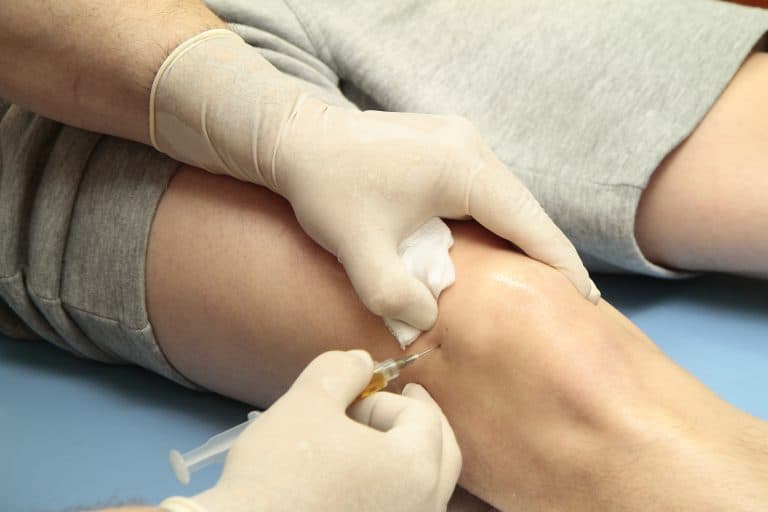
These gels are typically injected directly into the knee joint , where they absorb shock, provide cushioning, and encourage the body’s natural repair processes. There are several different types of gel injections currently being developed and tested, each with unique properties tailored to different clinical needs. By restoring the mechanics of the joint and supporting true cartilage regeneration , these gels offer a path to more durable, effective knee repair.
Innovative sources and techniques continue to emerge. For example, one clinical study reported using cartilage grafts taken from the ribs to repair large defects in the knee —demonstrating how creative approaches are expanding the possibilities for treatment (Zar & Stepanov, 2016).
A wide range of regenerative methods is being studied and refined—from gene-activated scaffolds and autologous chondrocyte implantation , to stem cell therapies and advanced biomaterial gels—showing just how rapidly the field is evolving (Rodríguez‐Merchán, 2012).
Free non-medical discussion
Not sure what to do next?
Information only · No medical advice or diagnosis.
What the Clinical Evidence Tells Us
Clinical studies are beginning to show that knee cartilage replacement gels can deliver tangible benefits. Researchers often use tools like the WOMAC and KOOS scores to measure changes in pain, stiffness, and physical function before and after treatment.
When compared to traditional injections such as hyaluronic acid , cartilage replacement gels are showing promise in providing longer-lasting improvements. Many patients report reduced pain and better joint movement —making these gels a potential alternative for those looking to put off or avoid knee replacement surgery . While hyaluronic acid mainly offers short-term symptom relief, replacement gels aim to repair the underlying cartilage, which may mean more durable results.
For example, one study observed that after using an autologous cartilage graft technique, patients showed new cartilage filling and subchondral bone restoration on MRI scans (Zar & Stepanov, 2016). Large clinical reviews have also found that some cell-based and scaffold-supported methods show better results for medium or large cartilage defects than older surgical techniques, particularly in terms of long-term durability (Rodríguez‐Merchán, 2012).
However, not all solutions are ready for widespread use—many biological and materials-based approaches still require ongoing research to confirm effectiveness and safety. Nonetheless, the emerging evidence suggests cartilage replacement gels could significantly shift how we treat knee osteoarthritis and help many people return to active lifestyles.

Potential Side Effects and the Road Ahead
As with any medical procedure , knee cartilage replacement gels are not without risks. Some patients have experienced issues like excessive tissue growth or trouble with the gel integrating into existing cartilage. Researchers continue to study these challenges to better minimize and manage potential side effects.
The future for these therapies is bright. Advances in biomaterials and scaffold technology are making gels stronger and more compatible with natural tissue. There’s also exciting progress in areas like gene therapy and personalized medicine, which could one day allow treatments to be customized for each patient's unique biology—improving success rates even further.
While more research is needed before some of these cutting-edge therapies become widely available, the journey toward better, less invasive knee solutions is clearly underway. New innovations are expected to bring even safer, more effective treatments to those living with knee pain.
Conclusion
Knee cartilage loss is a common and challenging condition that can greatly affect mobility and daily life. Cartilage replacement gels offer a fresh, science-backed approach that combines clever biomaterials with proven clinical results. By mimicking the unique properties of healthy cartilage and supporting real tissue regeneration , these gels could become a game-changer—potentially delaying or even avoiding the need for knee replacement surgery.
Though ongoing research is needed to fully establish long-term safety and effectiveness, the future looks promising. Continuing advancements in this field may soon provide millions with better, less invasive options for managing knee pain and maintaining an active lifestyle.
References
Schwartsmann, C. R., Spinelli, L. F., da Silva, G. S., Brunelli, J. P. F., Giacomassa, L. D., & Barboza, L. D. (2019). Macroscopic analysis of the patella cartilage during total knee replacement. Moj Orthopedics & Rheumatology, 11(3), 125-128. https://doi.org/10.15406/mojor.2019.11.00485
Zar, V. V., & Stepanov, E. V. (2016). Autoplastic replacement of the knee joint cartilage defects. Современные Проблемы Науки И Образования (Modern Problems of Science and Education), (№ 6 2016). https://doi.org/10.17513/spno.25869
Rodríguez‐Merchán, E. C. (2012). Regeneration of articular cartilage of the knee. Rheumatology International, 33(4), 837-845. https://doi.org/10.1007/s00296-012-2601-3
Legal & Medical Disclaimer
This article is written by an independent contributor and reflects their own views and experience, not necessarily those of London Cartilage Clinic. It is provided for general information and education only and does not constitute medical advice, diagnosis, or treatment.
Always seek personalised advice from a qualified healthcare professional before making decisions about your health. London Cartilage Clinic accepts no responsibility for errors, omissions, third-party content, or any loss, damage, or injury arising from reliance on this material.
If you believe this article contains inaccurate or infringing content, please contact us at [email protected].
London Cartilage Clinic
Ready to explore your options?
Our consultant-led team specialises in cartilage repair, regeneration and replacement — tailored to your diagnosis and long-term goals.
Will the Arthrosamid work for me
PAAG-8+ Questionnaire
A bright, structured entry point for patients exploring Arthrosamid. The questionnaire helps frame suitability, expectations, and 24-month clinical benefit discussion before a fuller consultant-led review.
Designed for shared decision-making. It does not replace specialist consultation, examination, imaging review, or formal medical advice.